The standard genealogy form · free
Family group sheet
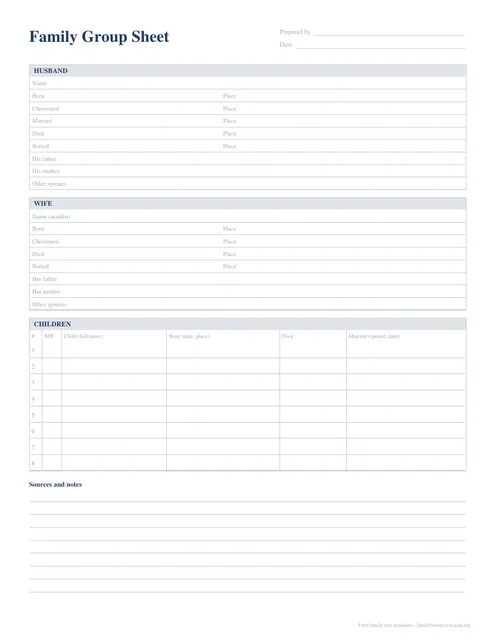
A family group sheet holds one family: a husband and wife, their dates and places, their parents' names, and every one of their children. Genealogists keep one for each couple on their pedigree chart; together they hold the brothers, sisters and in-laws a pedigree chart leaves out.
The empty boxes are where we start
Tell us about one person and the names you have, and we'll go after the generations behind them. We read the original records (census pages, draft cards, certificates, passenger lists) and write up who your people were, with every fact tied to the record it came from. One person, $49, by email within 7 days. If we can't find them in the records, you get your money back.
Start a report · $49Read a finished report
A gift that lands: order by December 12 and it reaches you before Christmas. It can be about someone who has died, or for someone living (we trace the family they came from).
Why bother with the brothers and sisters?
Because they're how you get past a brick wall. Your great-grandmother's own death certificate may leave her parents blank, while her sister's names them. A brother's obituary lists the siblings and where each one lived. The family group sheet is where those clues collect, and the sources section at the bottom is where you write which record said what.
How to fill it in
Start from what you're sure of, write women under their maiden names, list the children oldest first, and put the source for each fact in the notes: the census year, county, enumeration district and sheet number (“1940 census, Lucas Co., Ohio, ED 48-112, sheet 6A”) is enough to find it again, because sheet numbers start over in every district. If you don't know the birth order, put the children in the order a census lists them, which is usually by age.
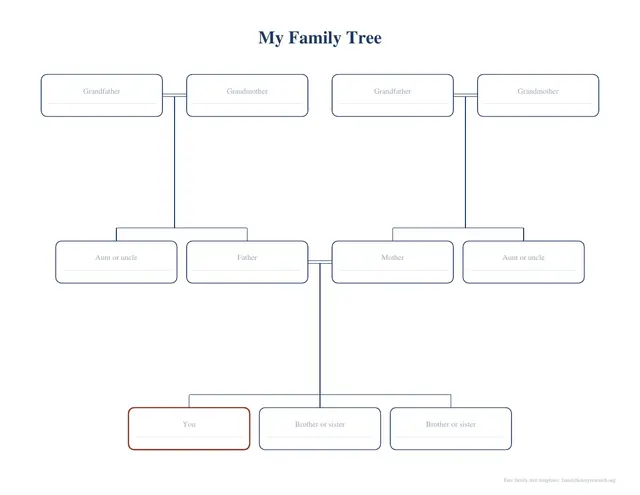
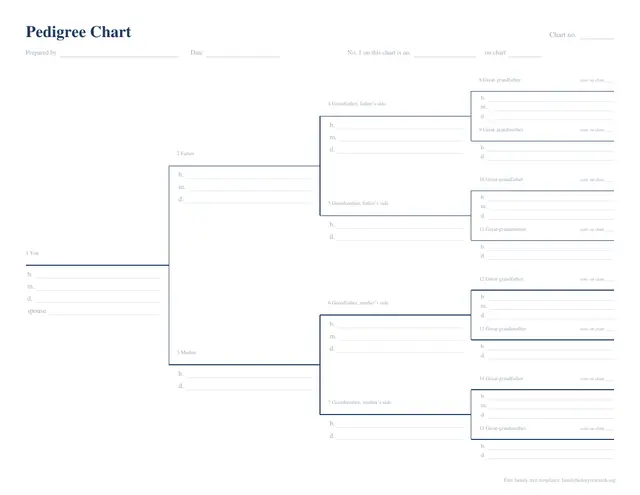
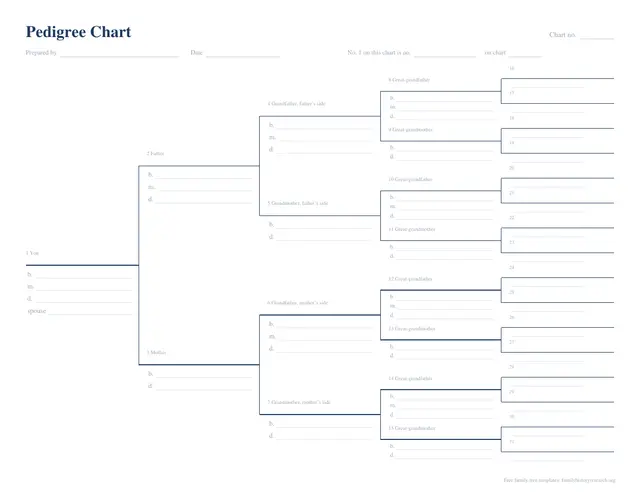
Other genealogy forms
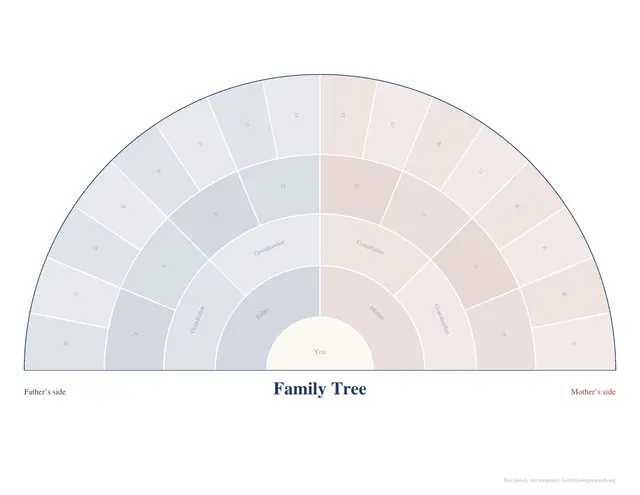
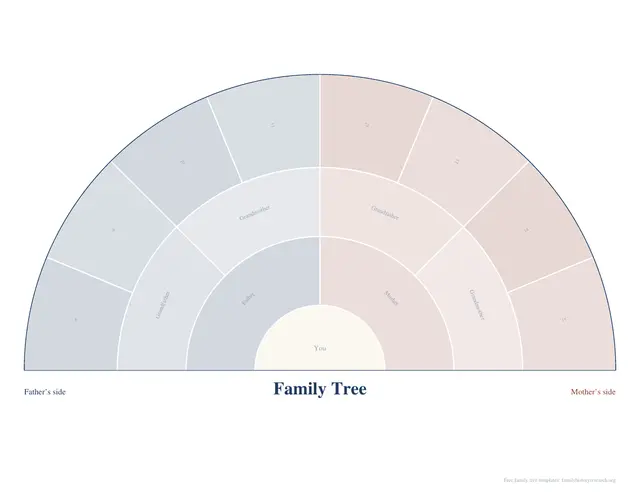
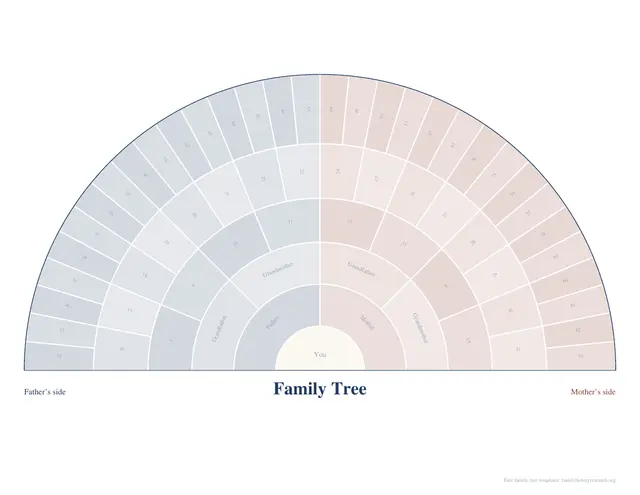
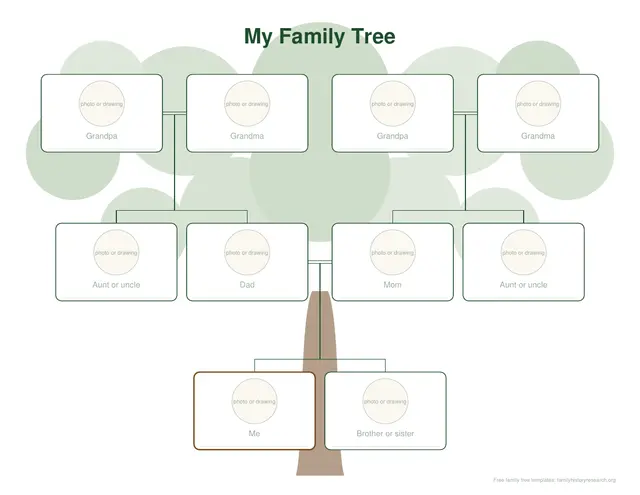
Questions
How is it different from a pedigree chart?
A pedigree chart follows your direct ancestors only. A family group sheet covers one couple and all their children. Researchers use both: the pedigree chart as the map, a group sheet for each couple on it.
What if there are more than 8 children?
The sheet prints 8 child rows, and grows to 12 if you type more children in. For a bigger family, print a second copy and continue the numbering.
The example family in the maker is made up. The charts are drawn in your browser; we never see what you type.