Type in your browser · download the PDF
Fillable family tree template
Most ‘fillable’ PDFs make you click into tiny boxes and fight the font size. This one works the other way round: you type the names and dates in plain fields, and each one is set into its box, shrunk to fit if it's long. Then you download the finished PDF.
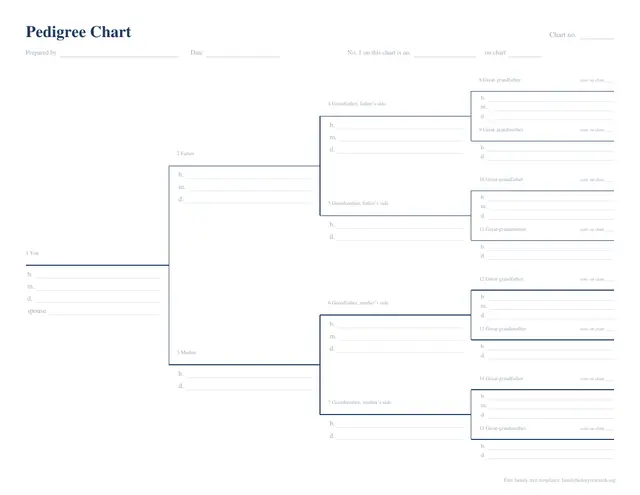
The empty boxes are where we start
Tell us about one person and the names you have, and we'll go after the generations behind them. We read the original records (census pages, draft cards, certificates, passenger lists) and write up who your people were, with every fact tied to the record it came from. One person, $49, by email within 7 days. If we can't find them in the records, you get your money back.
Start a report · $49Read a finished report
A gift that lands: order by December 12 and it reaches you before Christmas. It can be about someone who has died, or for someone living (we trace the family they came from).
How to use it
- 1
Pick a chart
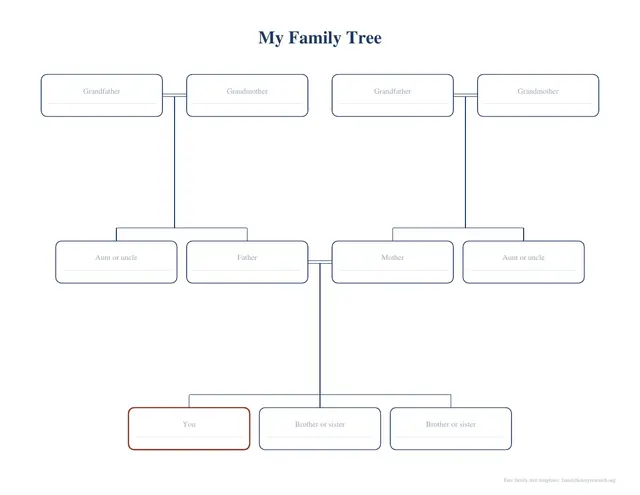
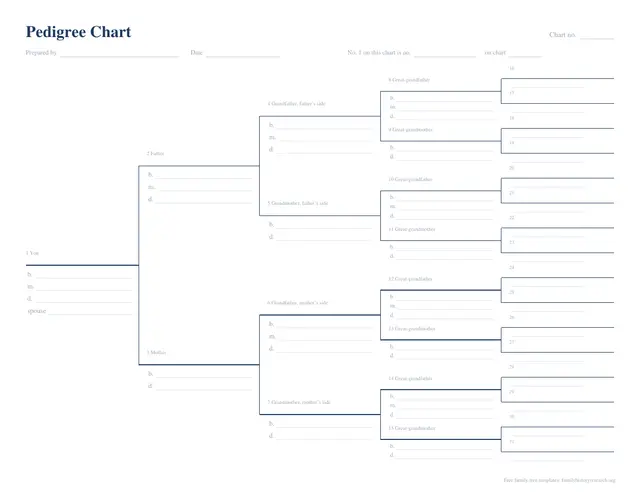
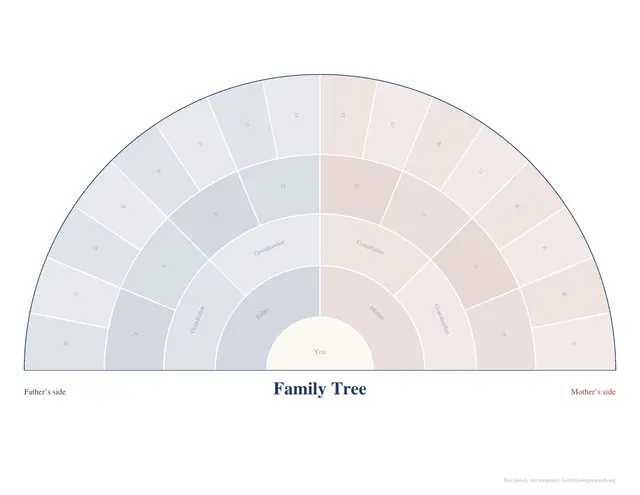
A family tree with brothers and sisters, a pedigree chart for your direct ancestors, a fan chart to frame, or a family group sheet for one couple and their children.
- 2
Type what you know
Names, dates and places, as much or as little as you have. The chart redraws as you type; empty boxes stay labeled so you can fill them in by hand later.
- 3
Download the PDF
Letter or A4, Times or Helvetica, five ink colors. It prints on any printer and stays sharp printed large. Your tree stays in this browser for next time.
Already have a tree in Ancestry, MyHeritage, RootsMagic or Family Tree Maker? Export it as a GEDCOM (.ged) file and load it into the maker: pick the person to start from and the boxes fill in from your file.
The templates you can fill in
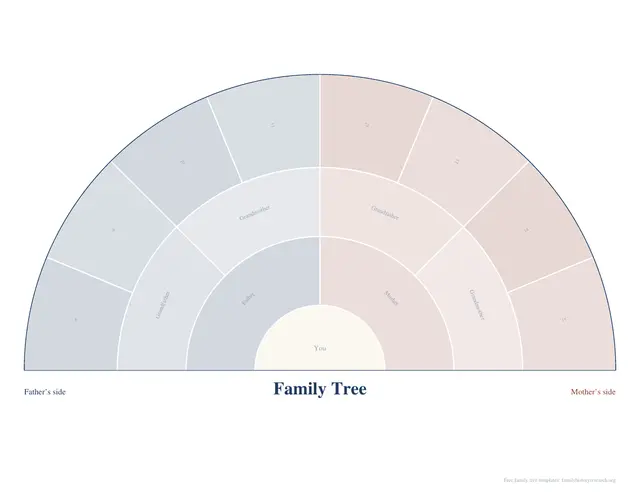
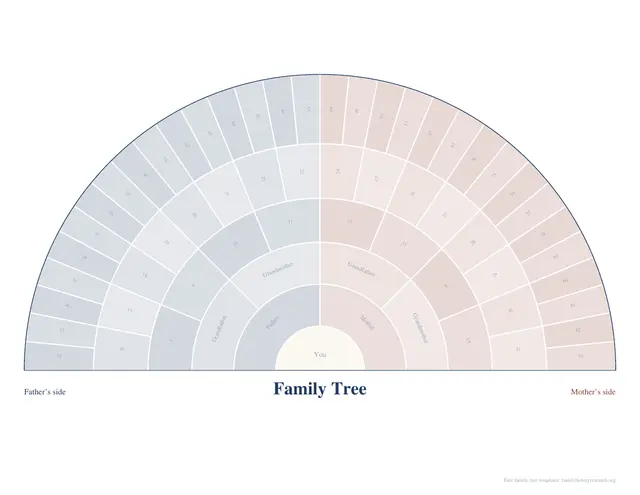
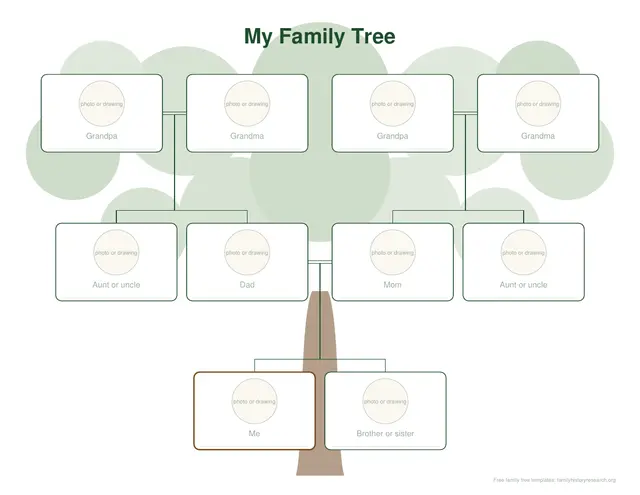
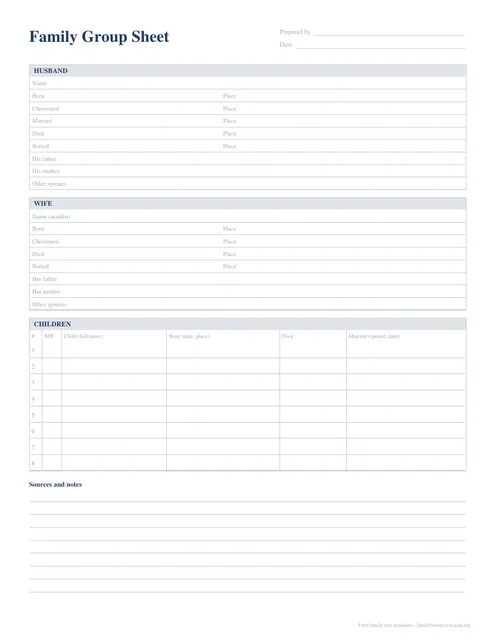
Questions
Can I save it and finish later?
Yes. What you type is kept in this browser, so the chart is waiting when you come back on the same device.
Do long names get cut off?
Long names are set slightly smaller so they fit their box; only a very long name in the smallest boxes gets shortened with …. The preview shows exactly what will print.
My family's names have letters like ł or ő. Will they print?
Most accented letters (é, ñ, ü, å, ø and so on) print as typed. A few, such as Polish ł or Hungarian ő, aren't in the standard print fonts, so they print as the nearest plain letter (l, o), and the maker tells you when that happens.
The example family in the maker is made up. The charts are drawn in your browser; we never see what you type.