A step-by-step guide
How to make a family tree
Everyone starts the same way: with themselves, a few names they're sure of, and a lot they aren't. Here's the order that works, the records that carry you back past what anyone remembers, and the mistakes that waste the most time.
- 1
Start with yourself and work backwards
Fill in what you know for certain: you, your parents, your grandparents, with dates and places where you have them. Work backwards one generation at a time. Starting from a famous ancestor and working forwards is how people end up with somebody else's family.
- 2
Ask the oldest relatives first
The person who remembers your great-grandparents won't be here forever. Ask where people were born, what they did for work, who their brothers and sisters were, which church they went to. Write down exactly what they said and who said it; you'll check it against the records later.
- 3
Gather the papers already in the family
Birth and death certificates, marriage licenses, funeral cards, the family Bible, discharge papers, old letters, photos with writing on the back. They put names, dates and places in your hands without a single search.
- 4
Find each family in the census
Every ten years the U.S. census lists every household; from 1850 it names everyone in it with ages and birthplaces, and from 1880 it says how each person is related to the head. Start with the 1950 census (the newest one open to the public) and step back ten years at a time. The 1890 census was almost entirely lost in a fire, so the trail jumps from 1900 to 1880.
- 5
Add the vital records
Birth, marriage and death records give exact dates and, often, parents' names. A 20th-century death certificate usually names the person's parents and where the person was born (a relative supplied those details, so check them), which is how a line moves back a generation.
- 6
Read the original, not just the index
Search sites show you a typed index: somebody's reading of an old handwritten page, and it can be wrong. When there's an image of the original record, open it and read the line yourself. Our report's sample shows a draft card that names a different village from the one in the index.
- 7
Write down where every fact came from
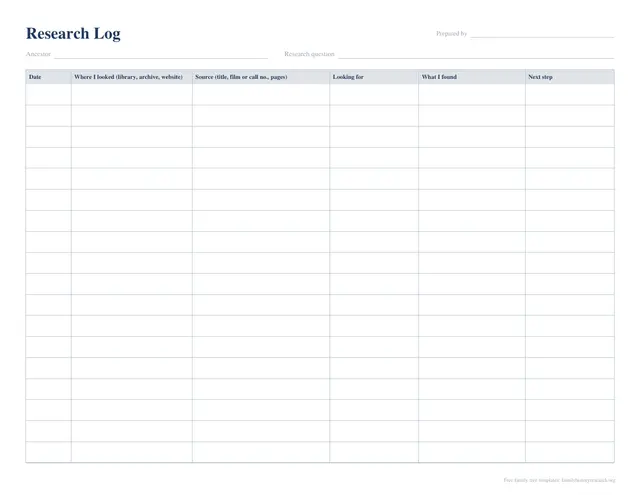
A source for each date and place: which record, which page. It feels slow and it's the difference between a family tree and a family legend.
When you're ready for records, here is where to find the records, free collections first.
Free templates to fill in as you go
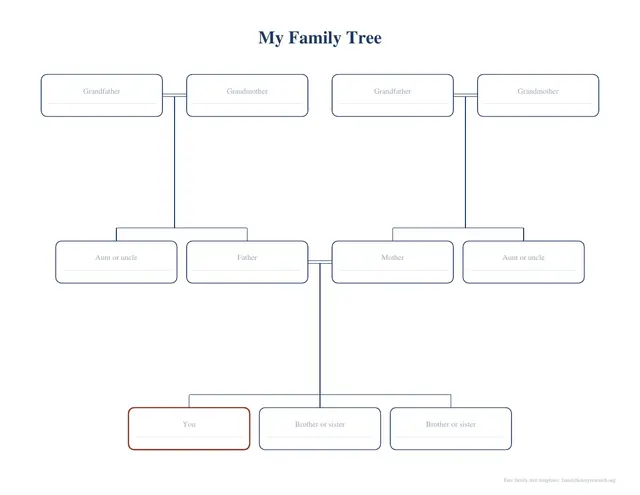
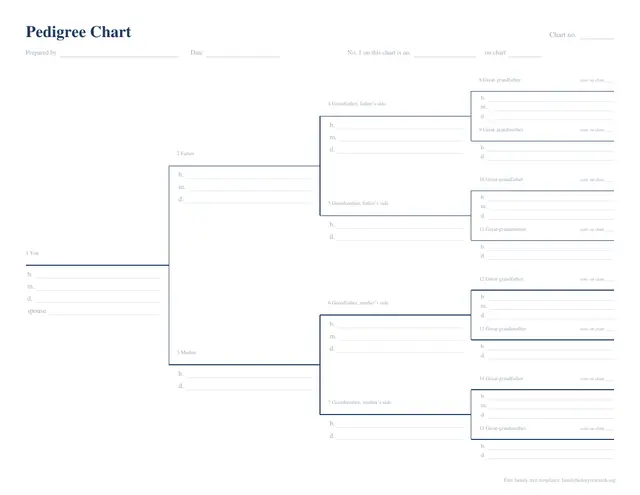
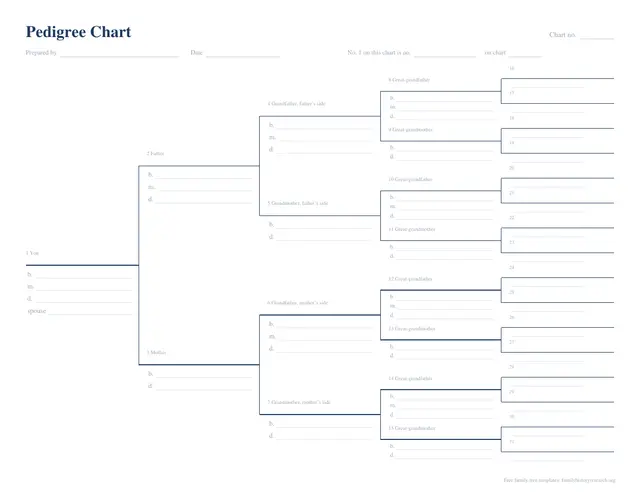
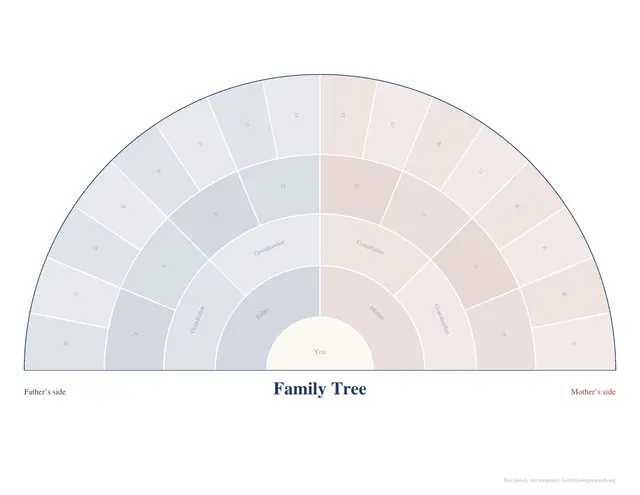
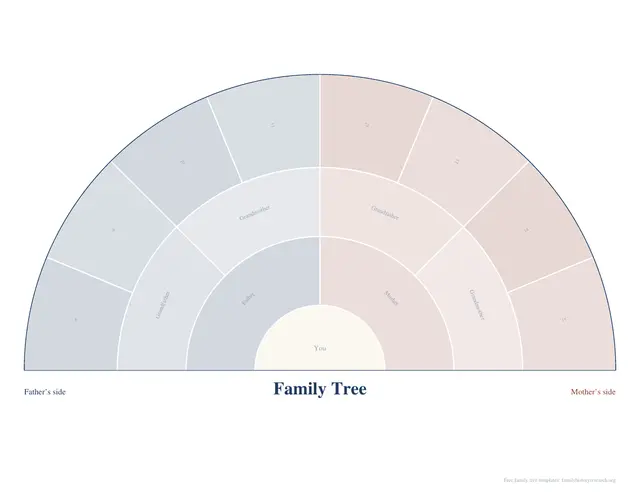
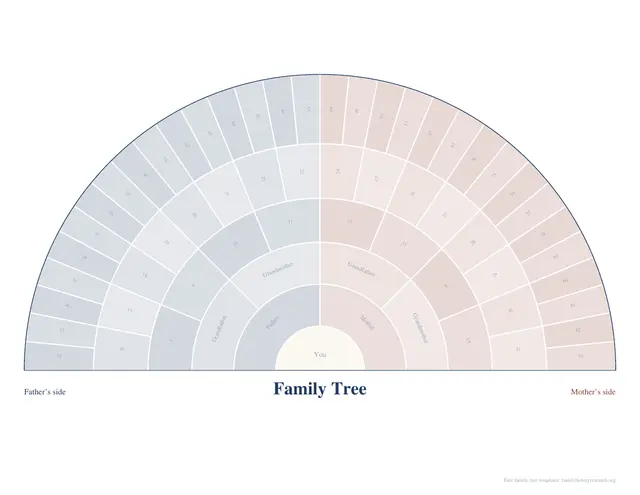
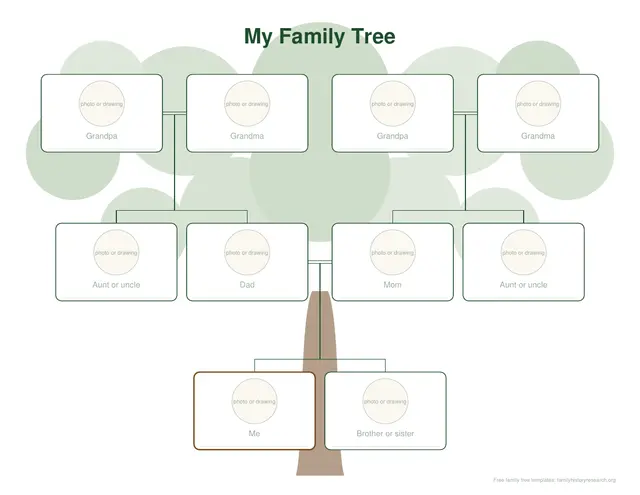
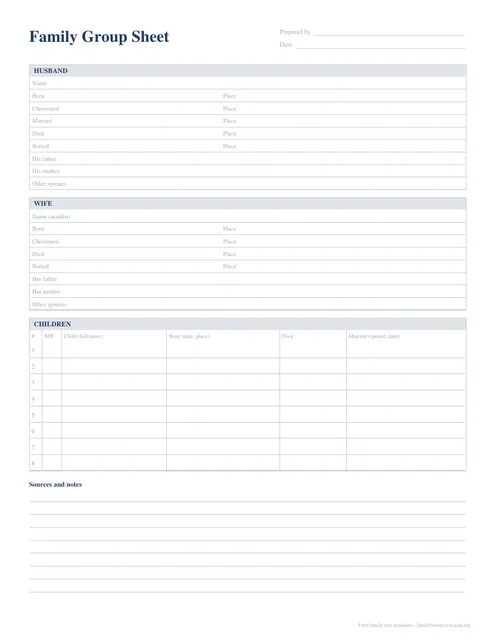
The empty boxes are where we start
Tell us about one person and the names you have, and we'll go after the generations behind them. We read the original records (census pages, draft cards, certificates, passenger lists) and write up who your people were, with every fact tied to the record it came from. One person, $49, by email within 7 days. If we can't find them in the records, you get your money back.
Start a report · $49Read a finished report
A gift that lands: order by December 12 and it reaches you before Christmas. It can be about someone who has died, or for someone living (we trace the family they came from).
Questions
How far back can I trace my family?
For most American families, the records reach the mid-1800s without much trouble, and further where a family stayed put or came from a country with good church records. Immigrant lines often stop at the boat until you find the town of origin, which is often written in a naturalization record (after 1906), a draft card or a church register.
Do I need a DNA test?
No. A DNA test is good at finding living cousins and confirming a relationship you suspect; it doesn't give you names and dates. The paper records do that, and they're where a family tree is built.
The example family in the maker is made up. The charts are drawn in your browser; we never see what you type.